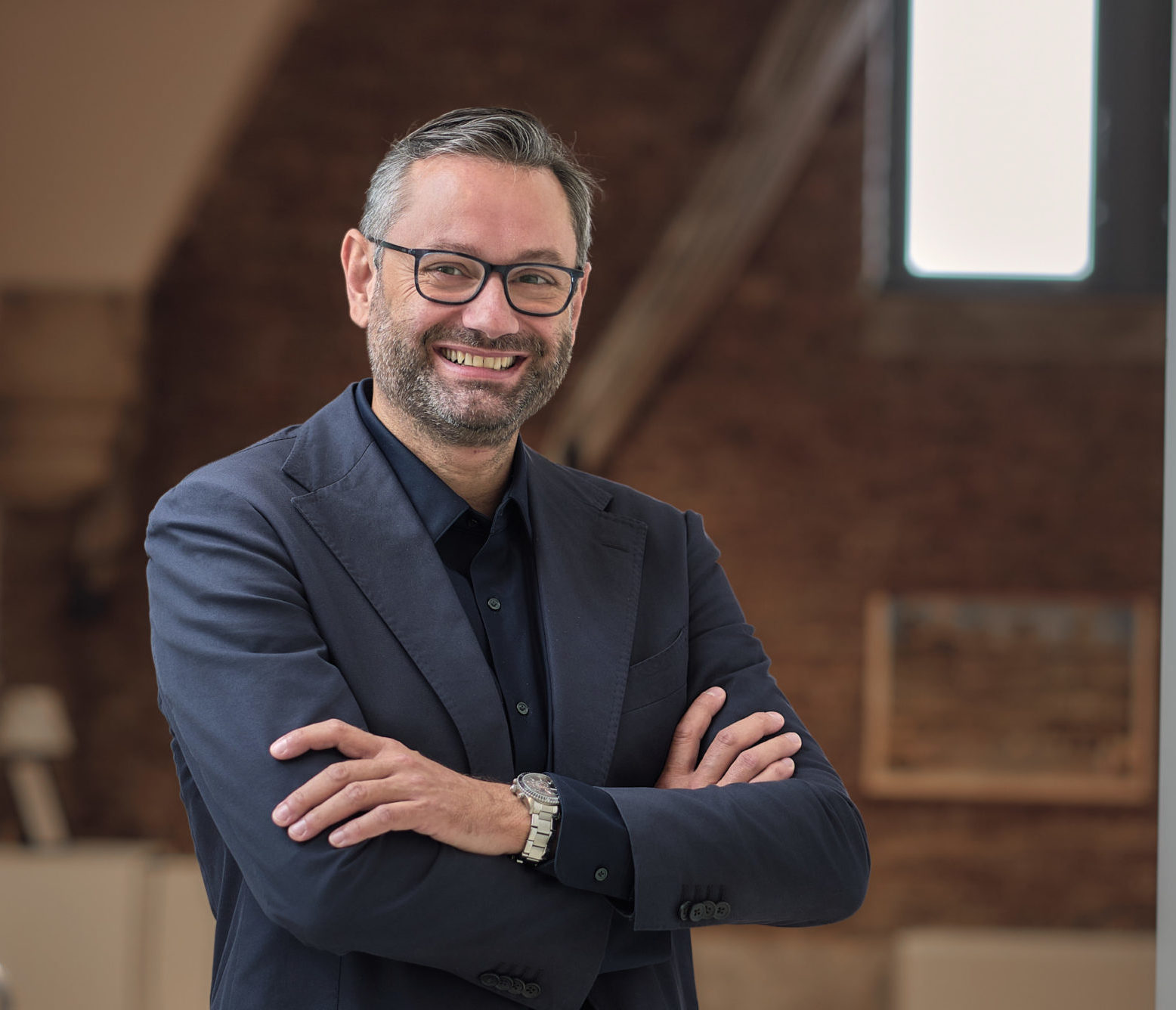
No other sentence brings revealing facial expressions as reliably as this one.
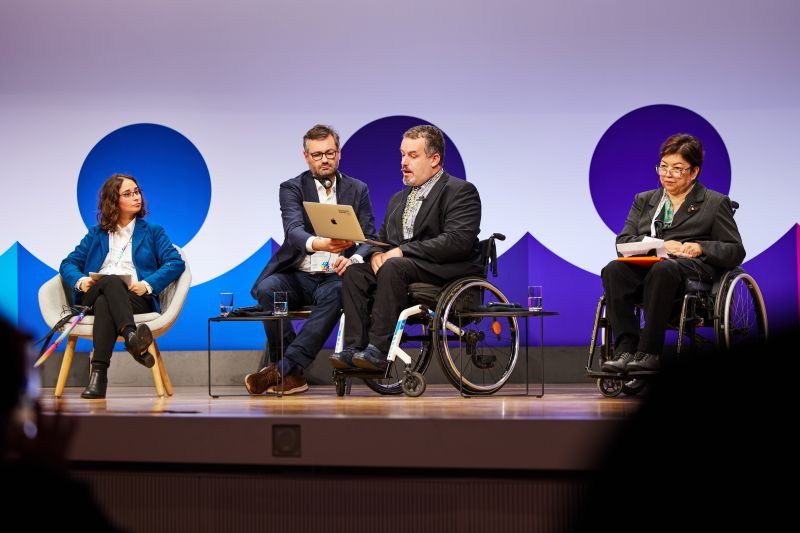
– Oh sure, “support person”. (Meaning: You’ll be just dictating him what to say.)
– You? A support person? (Meaning: How can a director be a support person?)
Sometimes (more often than you’d think) my job is supporting Soufiane El Amrani in his public speaking and advocating for rights and inclusion of people with intellectual disabilities and their families.
🧑💻 I help drafting speeches.
Usually, Soufiane writes down his ideas for the speech.
Then, we go through it together, looking at structure or what other ideas may be good to talk about.
And we try out how the language fits, how comfortable Soufiane is with every sentence and word.
❗️ And no, this isn’t “manipulation” as some like to suggest.
Getting help with your speech is absolutely normal.
Why do some suggest otherwise I wonder…
🎤 I help with appearances on stage.
Accompanying Soufiane on stage, making sure everything is arranged.
Helping with the text (scrolling through pages etc.) as Soufiane delivers his speech.
Sometimes (quite often, actually) acting as a stand for his computer because event organisers put presumed coolness (no tables on stage) ahead of comfort and accessibility (including at disability events, of all places).
And yes, sometimes I help “translating” questions or speeches – explaining what the question was, providing some context to it.
❗️ And no, it’s not “beneath a director” to do this.
Why would it be?!
We share this role among us in the Inclusion Europe team.
It’s based on who’s best for some topics (and who’s available too).
It’s not the only way to provide support so a person with intellectual disability can contribute to EU-level policy-making.
For different people and different roles and different organisations there will be different ways to do it.
But it’s the best way for Soufiane and us, we find.
And I bloody enjoy it.