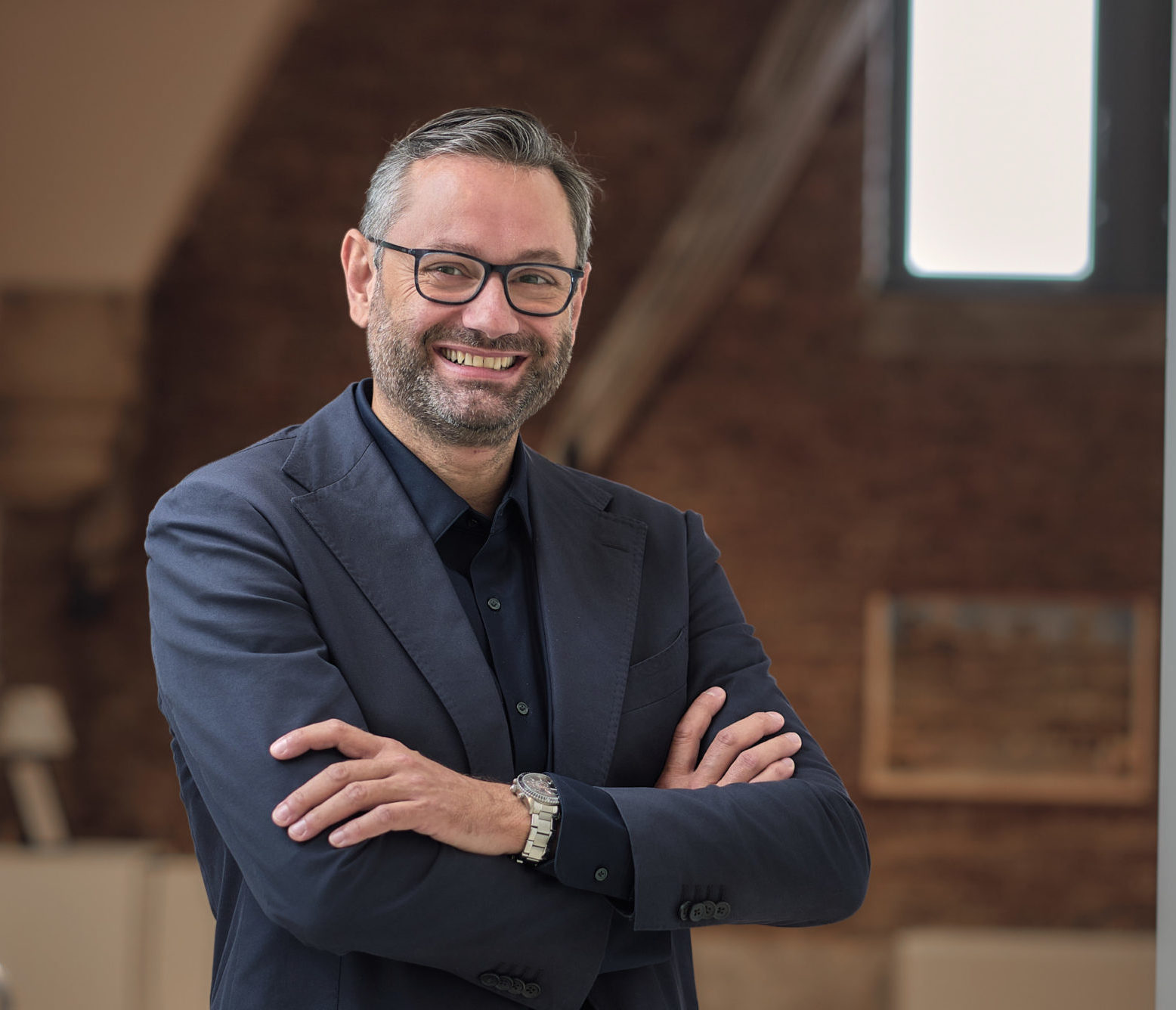
After European Commission and EEG meeting, December 2025, where I presented a proposal for active support to DI-practitioners at national level:
The EU has a good tradition of supporting things that help with deinstitutionalisation. It needs to built on it.
Before I came to Inclusion Europe my only Brussels-based previous was the EEG.
“The European Expert Group for the transition from institutional to community-based care” clearly doesn’t doesn’t have a knack for naming things, but it has contributed to some important work.
Part of it was helping us national-level DI advocates to call out when EU funds were being misused to segregate people instead of supporting them to live independently and be included.
It also organised and provided many trainings (I took part in one), building an understanding of the issue and keeping an attention to it that were crucial to bring good changes for many people across Europe.
Once in Brussels, the EEG has been a mainstay of our alliances and of my agenda.
I’ve co-chaired it (twice) and I co-led its work to create report about deinstitutionalisation in the EU.
The conference we organised to mark a significant milestone in January 2020 was the last in-person event for some time…
As with any organisation or alliance, the EEG has it’s wobbles and changes in dynamics. But it never lost its relevance – not least because someone needs to keep reminding Europe there are 1.5 million of our fellow citizens locked-up in institutions.
And both the EU and national governments need to take their responsibility, close these places down and replace them with good housing and support.
The EEG has been an important partner to the European Commission, going back to the time when Commissioner Špidla with fellow countrymen Jařab and Pfeiffer brought this issue to the EU-level for the first time.
The initial report was followed by advocacy, trainings, guidelines to use EU funds, more trainings…
It was all based on bringing together and supporting those who work to close institutions.
There are many, in many countries, and they need to be able to connect, share what they do, and learn how to improve it.
These EU-supported actions brought radical change for thousands of people who were able to leave institutions and found a place in the community.
Last week, I spoke about many of this with Jan Pfeiffer, who continues to do the good work in Czechia and elsewhere. (Coming soon to Inclusion Europe Radio.)
And today, I’m happy to send a thank you for a good discussion about this to the EC and all my colleagues in the EEG.
I’m looking forward to January, which brings some changes on the EEG side of things, and also has many relevant and important opportunities (starting with the consultation on EU Disability Rights Strategy).