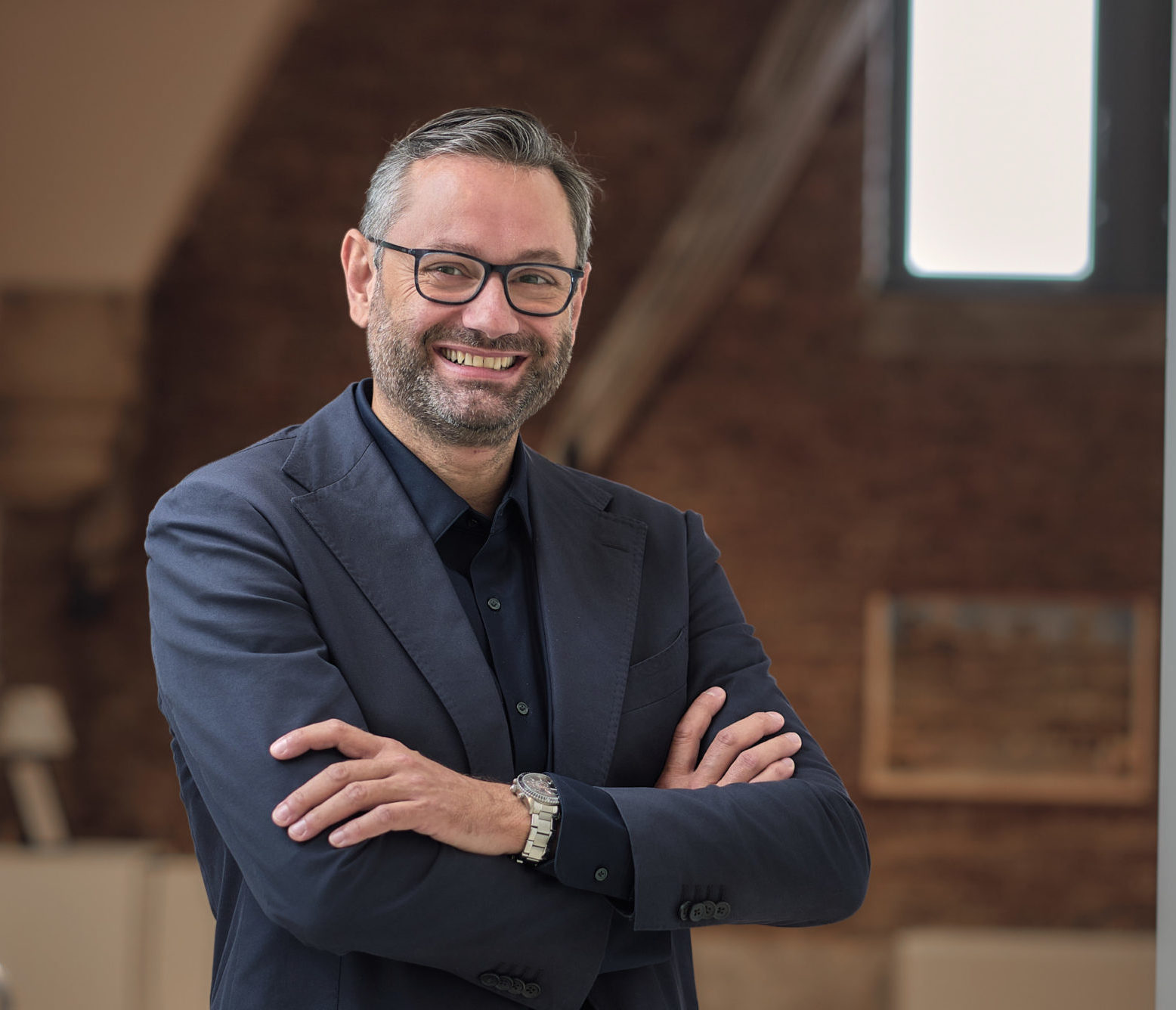
Disability Debrief: Escaping institutions, and their shadows Milan Šverepa of Inclusion Europe told me that it’s “ironic” that “one size fits all has become the prevalent approach” in approaching deinstitutionalisation. He is concerned that the move out of institutions is leaving people with intellectual disabilities behind, especially those with complex support needs: “The main goals and key principles […]
Tag: deinstitutionalisation
It can be done: Report on social care written to be read and understood
I was supposed to have a day off work that Friday. I was supposed to spend it off social media too. But I did neither, and I’m very happy with that. The day before, the United Kingdom’s House of Lords (parliament’s second chamber) published a report by its Adult Social Care Committee called “A gloriously […]
On resilience
Reflections on Europe in Action to End Segregation conference, September, Brussels. Originally published on Inclusion Europe blog. Oh, it was so delightful to have people around for the 3 days of our Europe in Action to End Segregation conference last week. To be able to see and feel the other persons reactions, emotions, body language. […]
If you are being overlooked in normal times, it is unlikely that anyone will take you into account during a crisis
I was kindly invited by FEANTSA to contribute to their magazine about the impact of the Russian war on Ukraine. This is what I wrote: The situation of people with disabilities in Ukraine There are over 2.7 million people with disabilities in Ukraine, of which some 260,000 are people with intellectual disabilities. They often experience severe […]
Build relationships, not houses
Last 2 days have been about learning how supporting living works in Greece, and how to improve it and make it available to many more people. It was a conference in Athens, held by Estia to mark 10 years of providing supported living services. They kindly invited me to talk about support for independent living and inclusion to […]
Recommendations for Polish deinstitutionalisation strategy
Polskie Forum Osób z Niepełnosprawnościami organised a conference called “We have the right to live independently. We cannot wait any longer”, and I was invited to speak during a panel about the Polish deinstitutionalisation strategy and “whether we have to wait until 2030?” I offered suggestions for deinstitutionalisation: Prevent institutionalisation of those living in the […]
Deinstitutionalisation and families
Today I spoke during a EESC hearing about challenges of the transition from institutional to community-based support for persons with disabilities and the role of families as their carers. I talked about priorities in deinstitutionalisation, one of which must be making the changes work for people with complex support needs too. They are often left […]
Institutionalisation of old people in Czechia
Forum for human rights, Validity launch of report on institutionalisation of old people, September 2021. My remarks: Massive institutionalisation of older people demonstrates the failure of policy when it comes to securing support and care. It stems from lack of understanding how support and care should and can be provided. And it is based […]
The Development, Conceptualisation and Implementation of Quality in Disability Support Services
I was honoured to have been interviewed for a book on deinstitutionalisation, community-based services and inclusion of people with disabilities. About the book “Social services for people with disabilities have undergone substantial changes over time, in particular in the past two decades. Whilst lack of affordable and appropriate housing is a barrier to community living […]
Not all children are included in deinstitutionalisation
There is no doubt that institutionalisation does tremendous damage to children’s health and development. Luckily, there has been significant progress to move away from institutionalisation, and instead support families to avoid separation by developing foster care and other alternatives. Unfortunately, this somehow seems not to apply to children with disabilities. In many countries, children with […]